Akrolissos
An early fortification on Mount Shëlbuem. The traces of the walls and the terrain should be interpreted in conjunction with archaeological surveys and documentation.
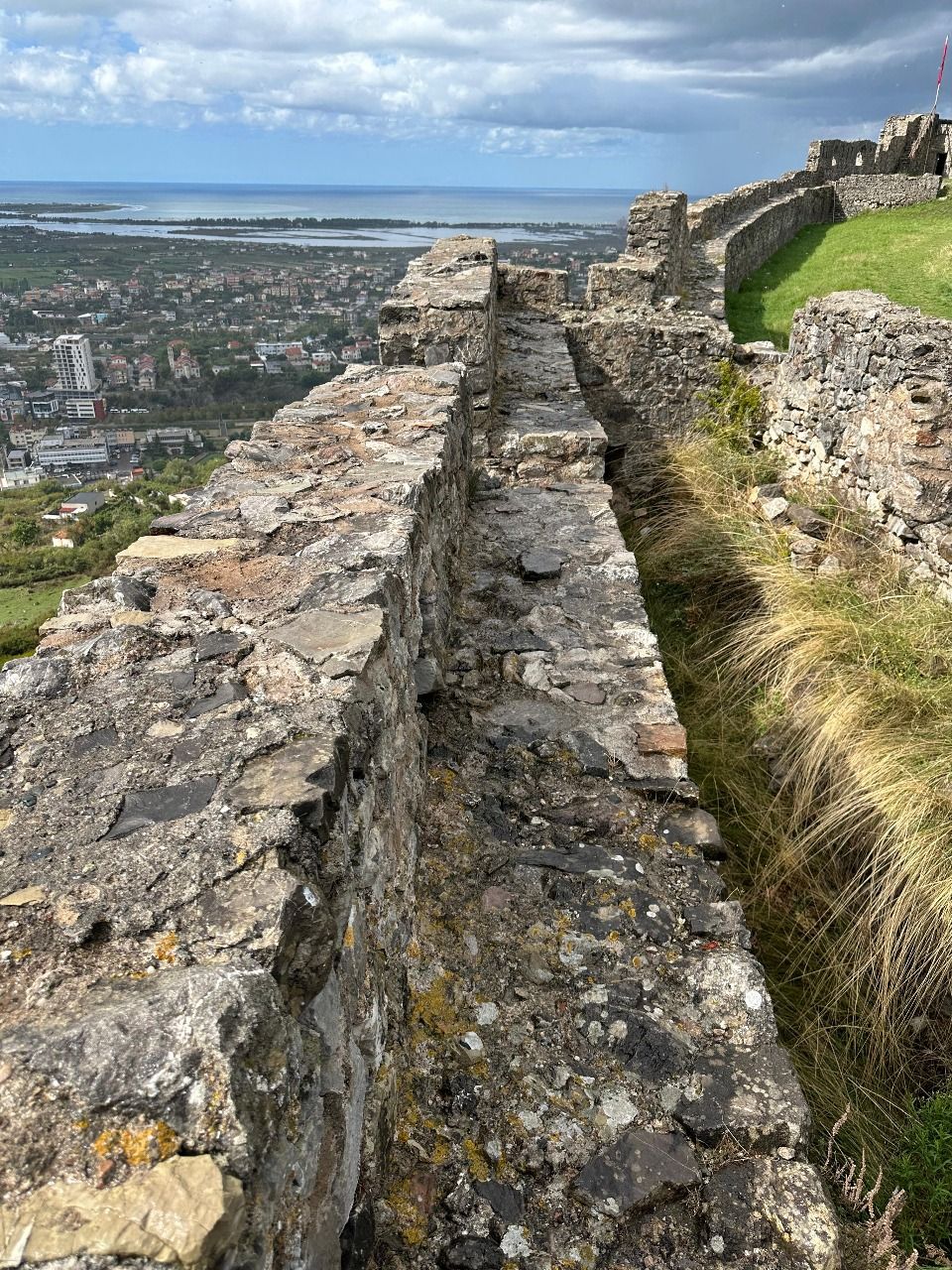
Lezha preserves traces of the ancient city of Lissus and its fortifications, which evolved through different historical periods. Its location near the Drin River and its connection to the Adriatic coast made it an important site within the region’s historical landscape.
On 2 March 1444, the Assembly of Lezhë was held in the city, where the Albanian princes united under the leadership of Gjergj Kastrioti Skanderbeg. He was buried in Lezhë in 1468. The present-day memorial was built in 1981 on the site of the former Church of Saint Nicholas.
The historical text has been prepared for scientific review by Paulin Zefi.
Three areas that help illustrate the development of the settlement and its fortification system in relation to the surrounding terrain.
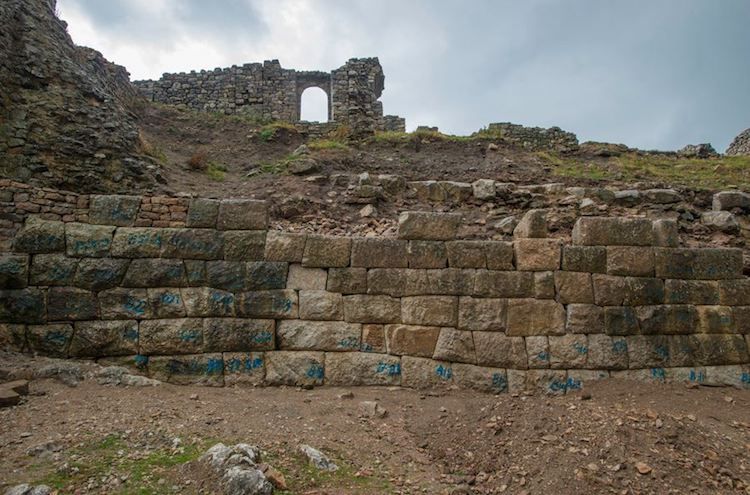
An early fortification on Mount Shëlbuem. The traces of the walls and the terrain should be interpreted in conjunction with archaeological surveys and documentation.
The fortifications of the upper area preserve evidence from different historical periods. Photogrammetry and LiDAR support the documentation of the walls and terrain.
The area surrounding the Memorial is associated with the extent of the ancient city. Geoelectrical surveys have identified anomalies that require further assessment through archaeological excavations.
Sources: Burime: · HDZA Lezha Project StudyThe historical descriptions are subject to review by Paulin Zefi.